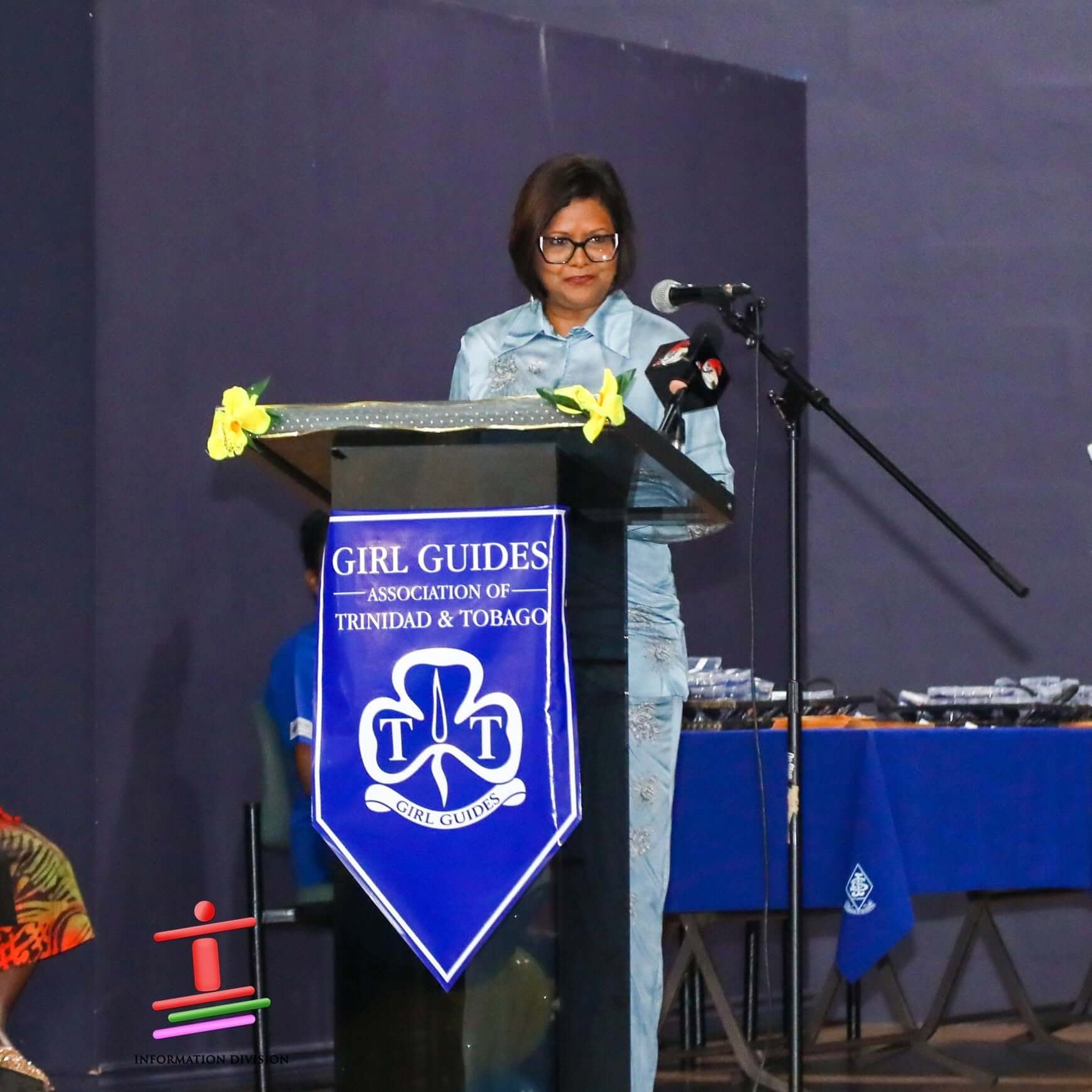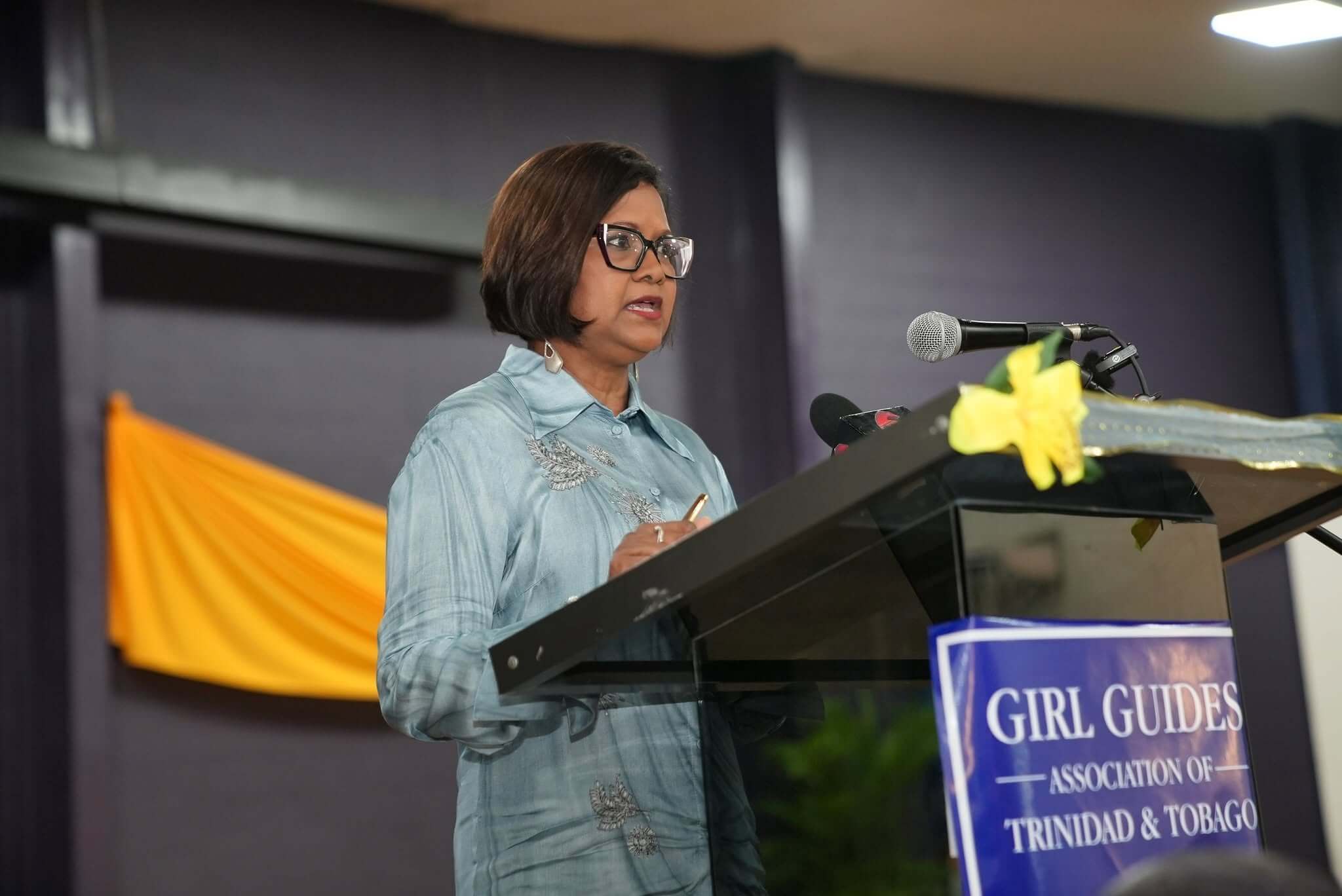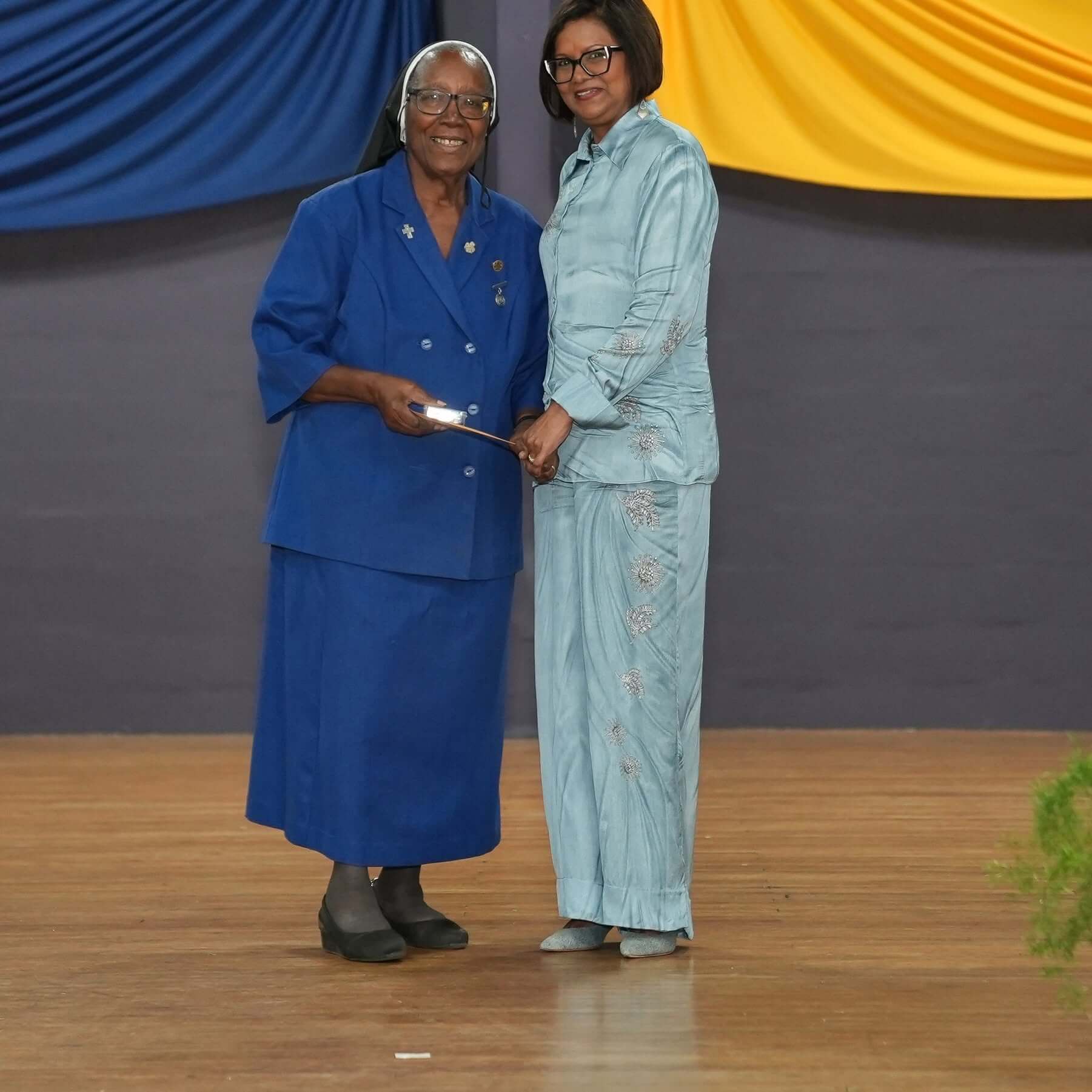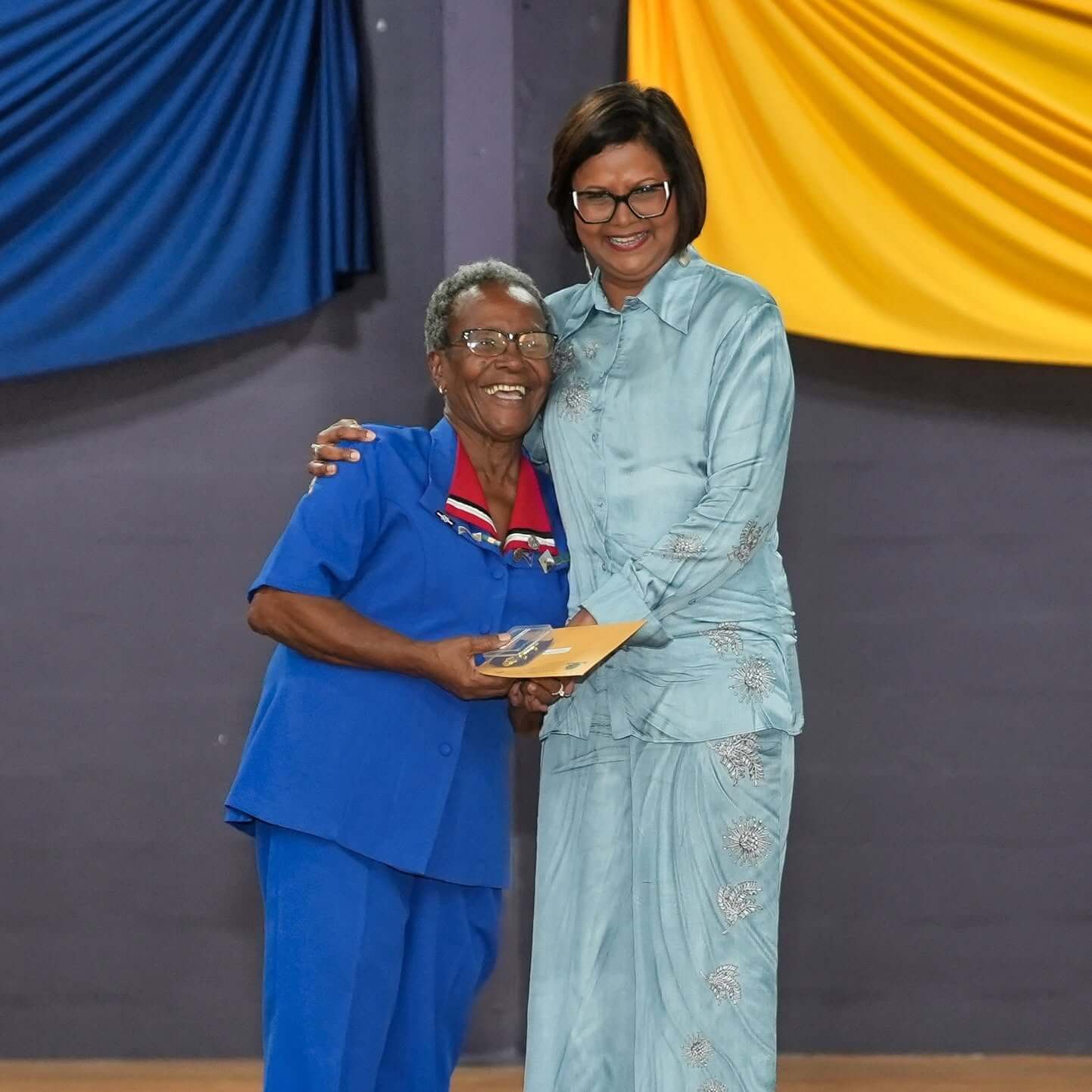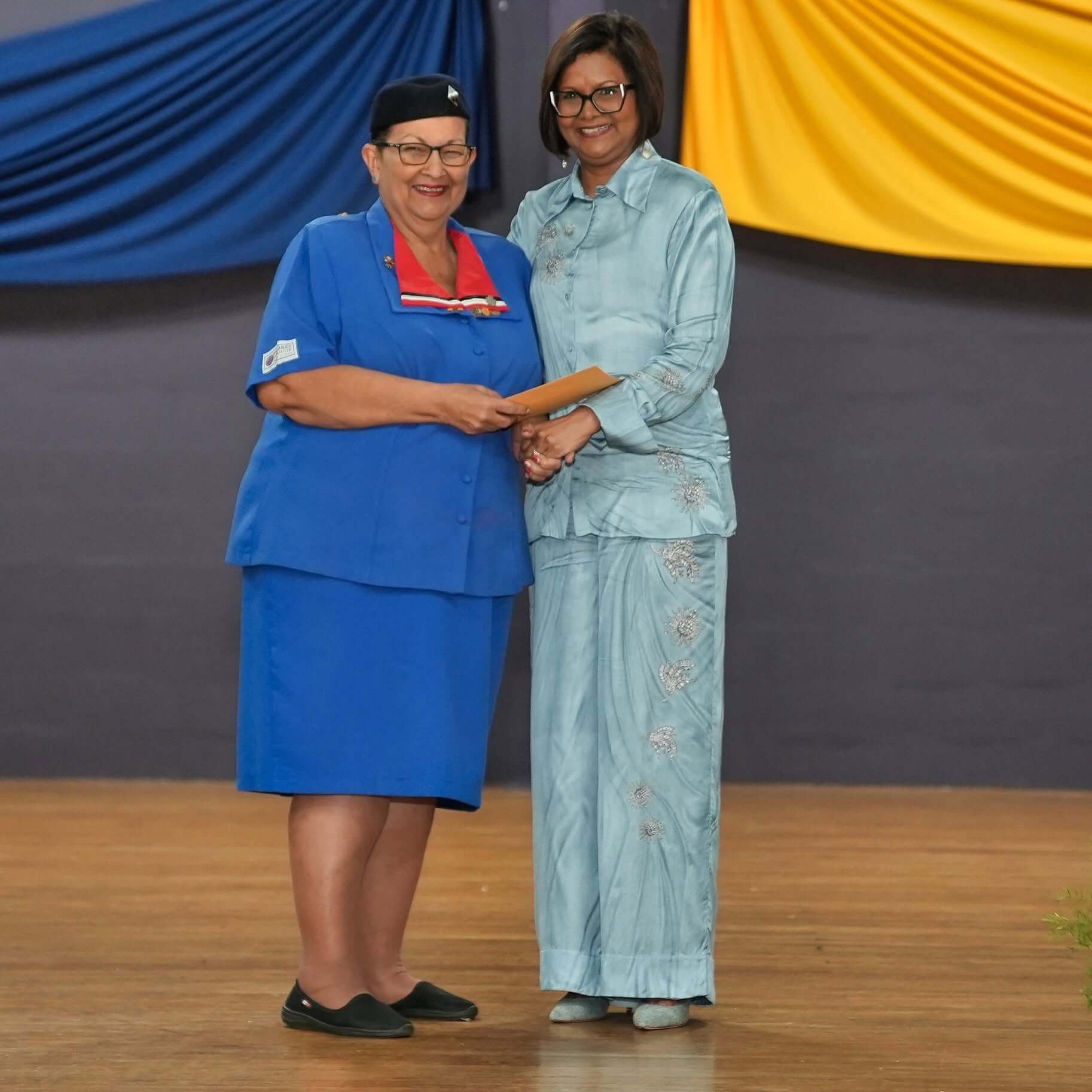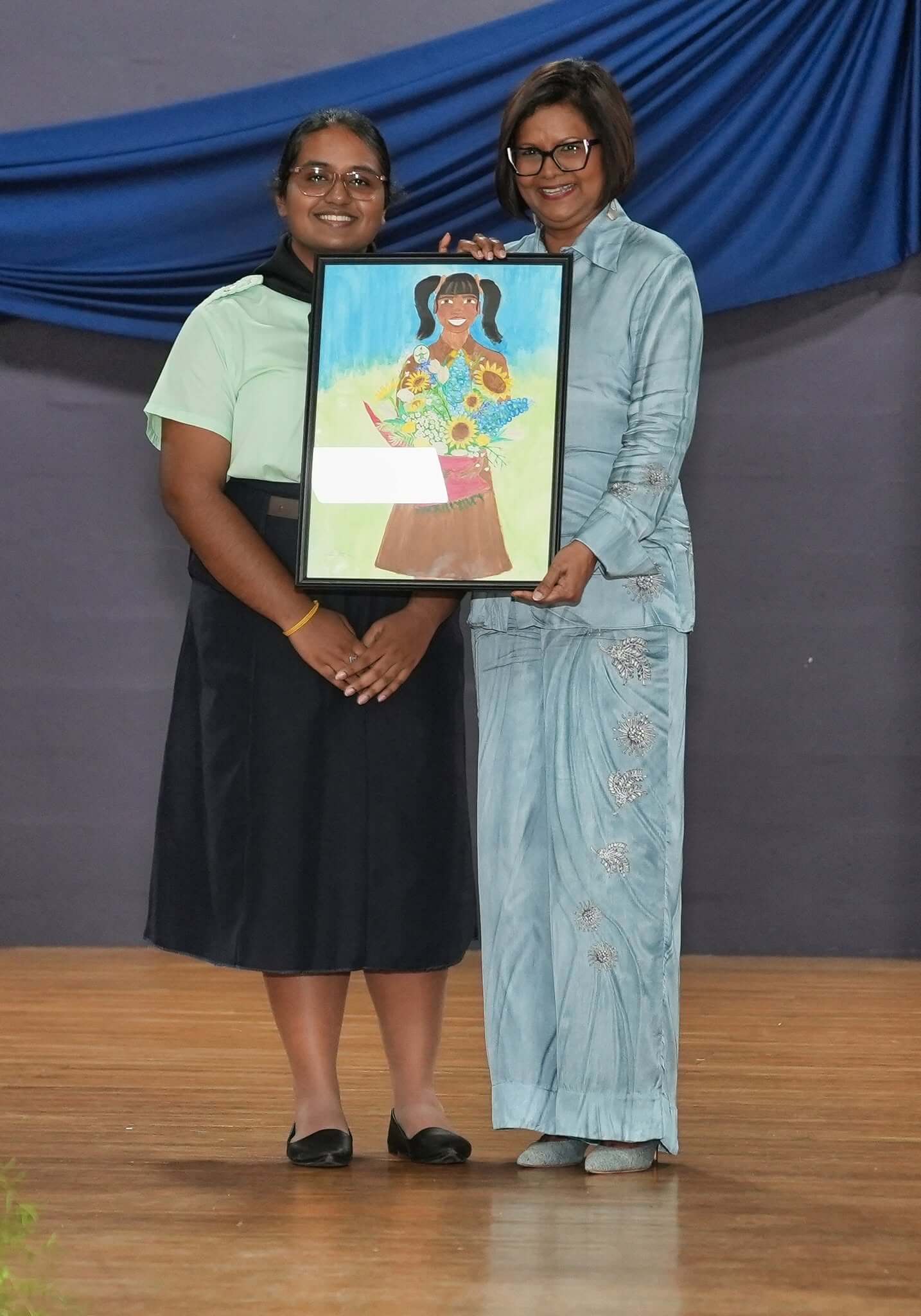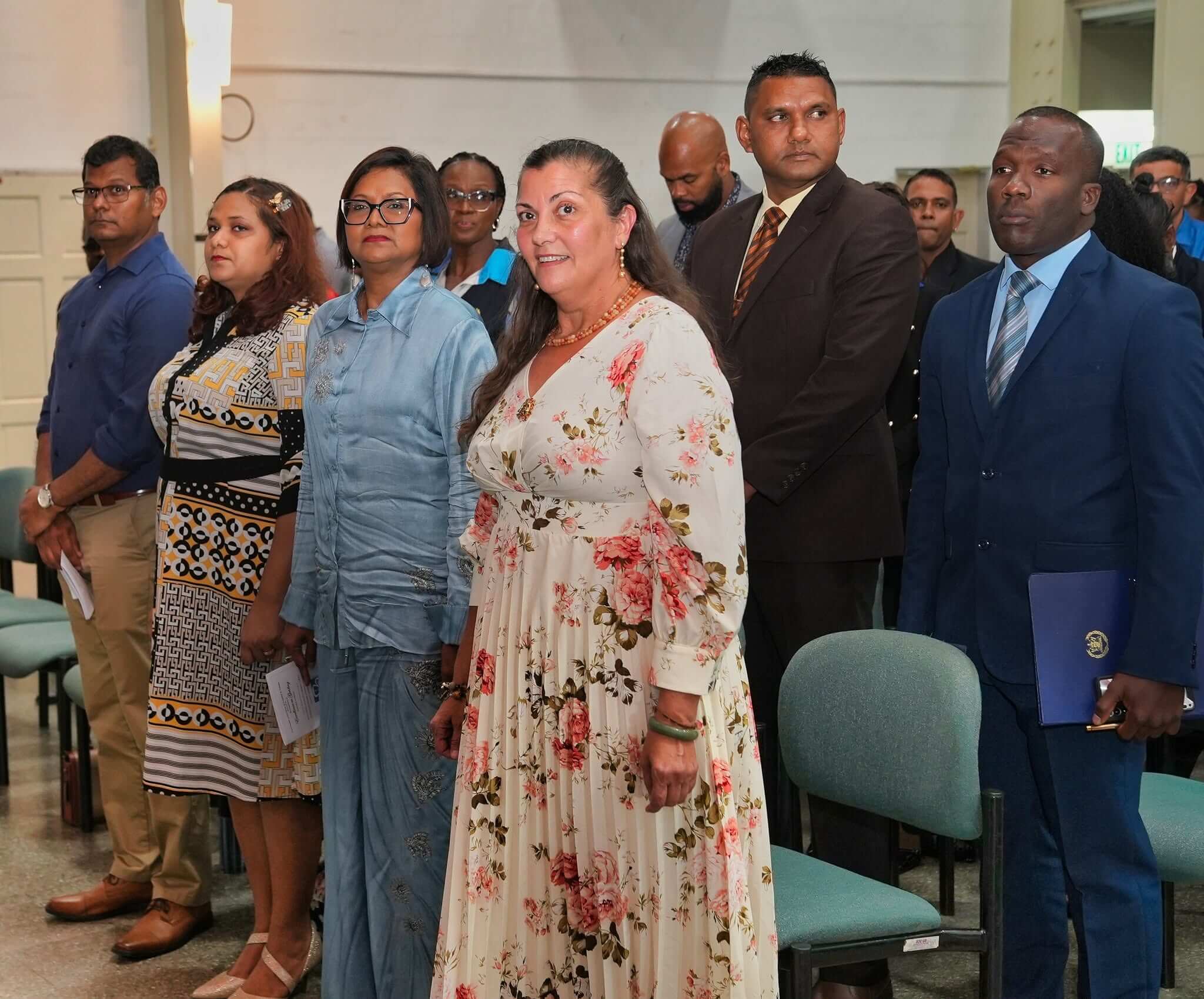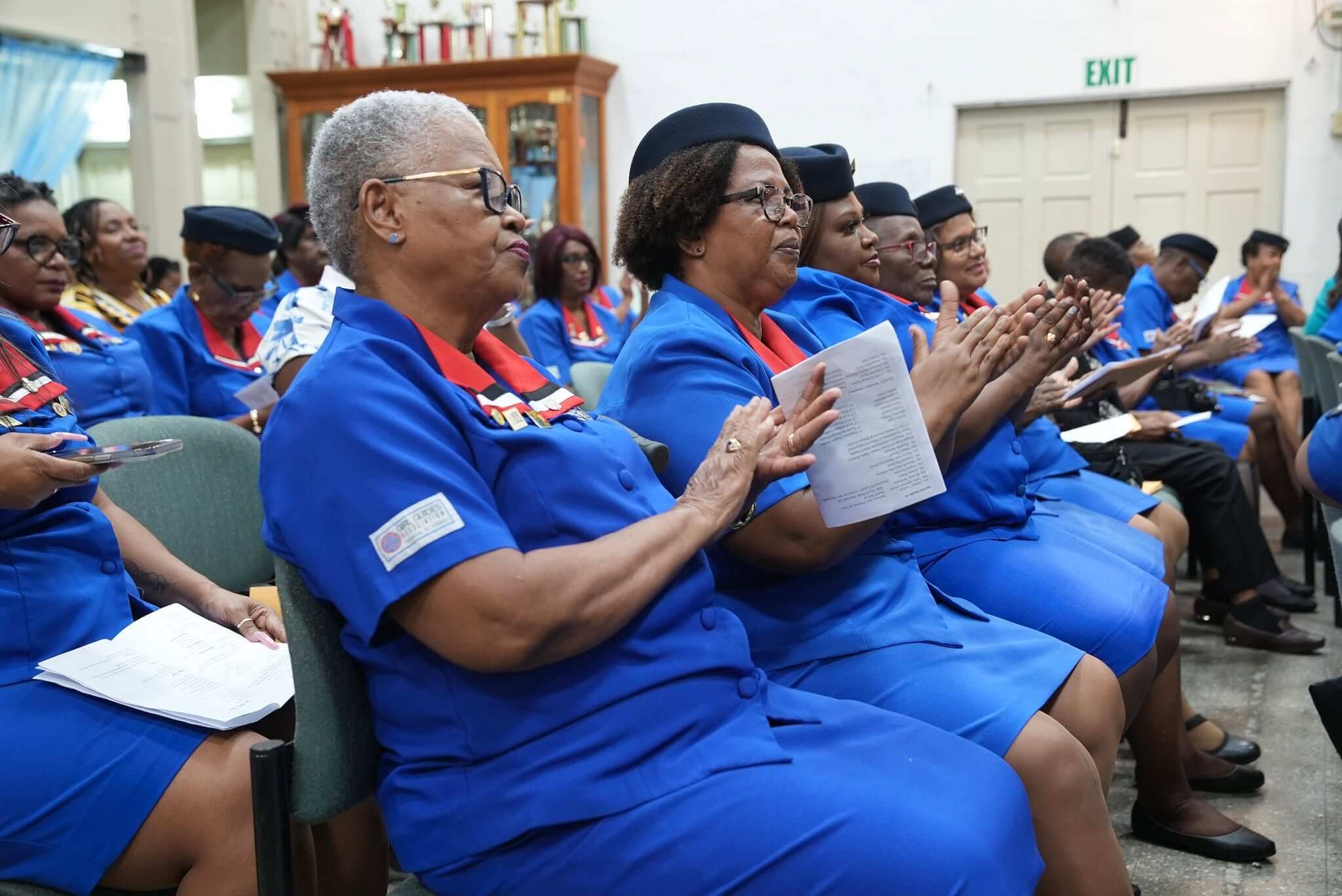
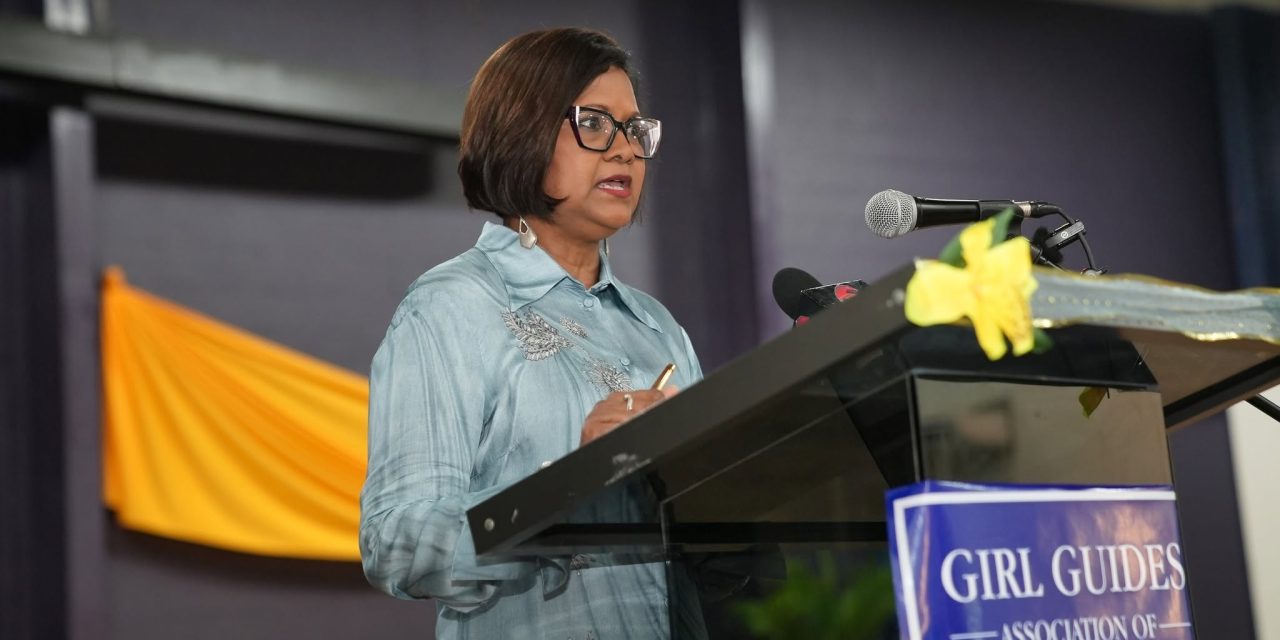
On June 6, 2026, Her Excellency Christine Carla Kangaloo, O.R.T.T., President of the Republic of Trinidad and Tobago and Patron of The Girl Guides Association of Trinidad and Tobago, addressed the Association’s Recognition of Excellence in Guiding Awards Ceremony at the Dr. Sis Phyllis Wharfe Auditorium, St. Joseph’s Convent, San Fernando.
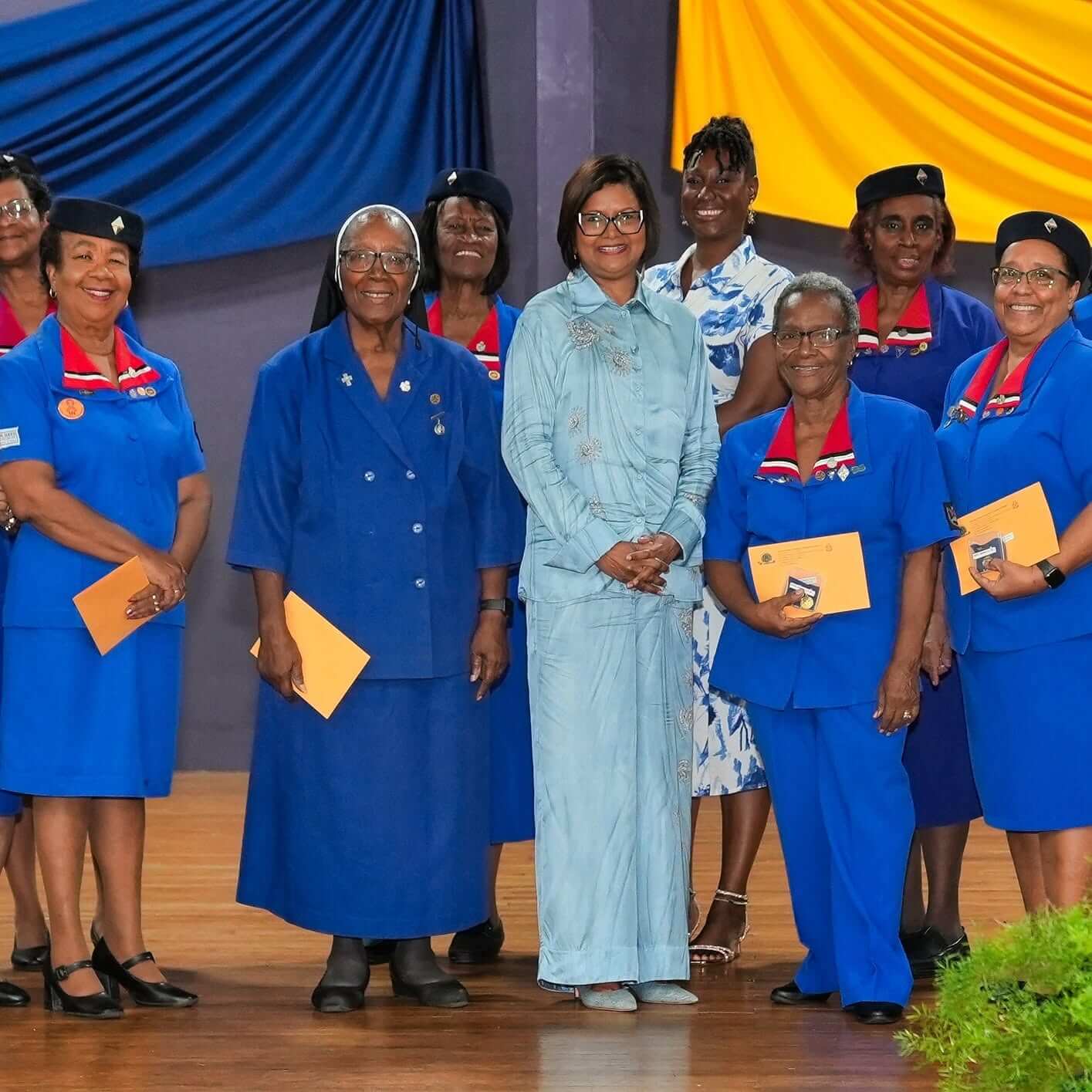
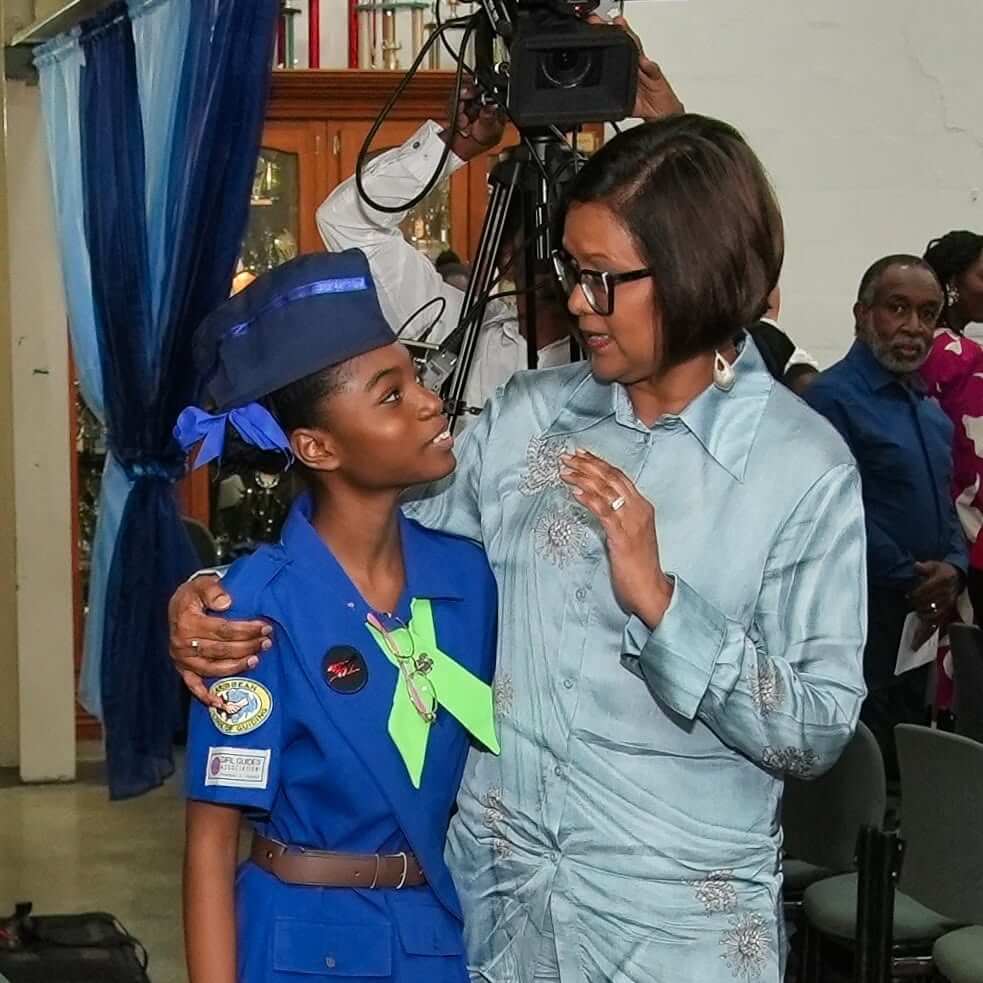
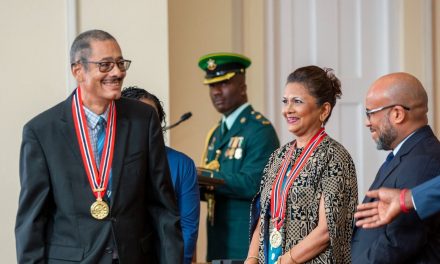
The ceremony celebrated the dedication and service of Girl Guides and Guiders who have devoted between 10 and over 50 years to the movement, including six outstanding women who were recognized for more than five decades of service. Bronze and Silver Sandbox Awards were also presented, while Her Excellency had the honour of presenting the Samaan Gold Award to 14 Guides.
In her address, Her Excellency reflected on the enduring values of the Guiding movement and its importance in shaping future generations of women leaders:
“The example of the Girl Guides offers our country’s young girls a different path. It tells us that we can be firm without being bitter, principled without being unkind, and ambitious for our country without becoming divided from one another. It reminds us that leadership is not proved by the volume of one’s voice, the sharpness of one’s attack, or the destruction of another’s standing. True leadership is proved by discipline, service, fairness and the capacity to lift others, even in moments of disagreement.”
The Office of the President extends a Happy 112th Birthday to the Association, heartfelt congratulations to all awardees and thanks the Girl Guides Association of Trinidad and Tobago for its continued contribution to youth development, leadership and service to country.
See full text of speech below:
I am very pleased to join you this afternoon at this Awards Function of the Girl Guides Association of Trinidad and Tobago, and to do so as Patron of an organisation that has helped generations of girls and young women to discover confidence, discipline, courage and a life of service.
Today is not only an occasion for the presentation of awards. It is an occasion for remembrance: remembrance of decades of steady leadership; of weekends given, meetings prepared, journeys supervised, anxieties calmed, talents noticed, and young lives gently guided towards possibility.
The women whom we honour today have served without parade. They have given from the substance of their lives: their time, judgment, patience and care. In doing so, they have shown us that leadership is not measured only by office or title. Leadership is measured by the lives made stronger because someone chose to be present, dependable and fair.
Guiding has always understood something that every society must remember: young people are not shaped by instruction alone. They are shaped by example. They learn from the adults who listen before judging, who hold standards without harshness, who encourage them to stand tall without causing others to stoop. In a world of restless noise and instant attention, such example is rare and precious.
This is especially important for girls and young women who are learning what leadership can and should look like. One of the great challenges of modern leadership is not simply for women to enter spaces of influence, but for women to help redefine those spaces. It is not enough to occupy positions once denied to them if, having arrived there, they are expected to imitate the harshest habits by which authority was once exercised. Our young women desperately need to understand this.
And this is where the Girl Guides movement offers a better lesson. It teaches that strength does not require cruelty; confidence does not require contempt; authority does not require aggression; and conviction does not require the abandonment of decency. The young women who pass through this movement must never be made to believe that, in order to be heard, they must wound; that, in order to lead, they must humiliate; or that, in order to be strong, they must become destructive.
For more than a century, the Girl Guides Association of Trinidad and Tobago has been teaching young girls that better way, and has been gently guiding them into a more impactful way of leading. In so doing, it has helped girls and young women to build skills and self-belief. But its deeper achievement has been to teach them that success is not a private possession. It is a responsibility: to family, to community, to country, and to those who come after us.
We gather at a time when our nation, like many others, must choose carefully the spirit in which we will speak to and about one another. A Republic is not held together by law alone, nor by institutions alone, important as both are. It is held together also by restraint, respect, and the quiet discipline of remembering that every word we use either repairs the fabric of our common life or tears at it.
Disagreement will always have its place in a free society. Scrutiny has its place. Firm conviction has its place. But contempt cannot build what service builds. Cruelty cannot protect what duty protects. And no country is strengthened when dignity is treated as weakness, when insult is mistaken for candour, or when the institutions that belong to all are made the casualties of passing quarrels.
The example of the Girl Guides offers our country’s young girls a different path. It tells us that we can be firm without being bitter, principled without being unkind, and ambitious for our country without becoming divided from one another. It reminds us that leadership is not proved by the volume of one’s voice, the sharpness of one’s attack, or the destruction of another’s standing. True leadership is proved by discipline, service, fairness and the capacity to lift others, even in moments of disagreement.
That lesson matters for every citizen. It matters particularly for the young women watching the conduct of those in authority and deciding, quietly, what kind of leaders they themselves will become. We owe them examples worthy of imitation. We owe them the assurance that dignity is not old-fashioned, that restraint is not weakness, and that decency remains one of the strongest instruments of public life.
The awardees before us have spent years teaching that truth, not by proclamation, but by practice. They have not merely supported an Association. They have strengthened the Republic. They have helped form young women who will become leaders in their homes, workplaces, communities and national life. They have shown that service is one of the most persuasive forms of patriotism.
In a time when many are tempted to confuse attention with achievement, and outrage with courage, the quiet, sustained work of volunteers reminds us of what endures. Noise may command the moment. But it is character that shapes the future.
To each awardee, I offer the gratitude of a nation. Thank you for the years no certificate can fully record, for the sacrifices no programme can list, and for the hope you have planted in lives you may never fully know.
As Patron, I am proud of the Girl Guides Association of Trinidad and Tobago, and I commend all who continue to carry its mission forward. May this Association remain a place where girls and young women learn not only how to achieve, but how to serve; not only how to lead, but how to lift others; not only how to speak with confidence, but how to do so with conscience.
May the young women of this movement go forward knowing that they need not borrow the worst habits of power in order to exercise power well. May they lead with courage that is disciplined, strength that is humane, and conviction that never forgets the dignity of others.
And may your example summon the best in all of us: duty over indifference, unity over division, dignity over discord, and service over self.
Happy 112th Birthday. I congratulate you warmly, and I wish the Girl Guides Association of Trinidad and Tobago every success in the years ahead.
Thank you.